Earthshine
Is their trouble overhead for migratory birds?

The new moon will rise on the 27th April 2025. Its appearance provides the perfect opportunity to witness ‘Earthshine’. Earthshine occurs when sunlight hits the earth’s surface, then reflects off land, cloud and seas which in turn illuminates the unlit portion of the moon. This twice reflected light makes the crescent appear exceptionally bright, while the larger unlit portion glows with an eerie ashen hue. Earthshine is sometimes known as the ‘Da Vinci glow’, unsurprisingly named in honour of the polymath Leonardo, who was the first man in recorded history to explain the phenomenon.
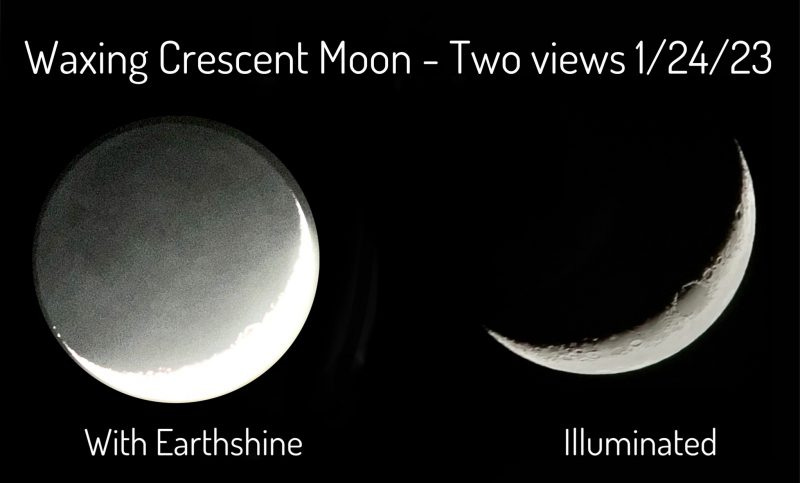
Image: EarthSky.org
The light cast by Earthshine stimulates certain behaviours in wildlife. In particular the brighter nights seen during this period are known to one of the triggers for large scale migrations in birds. While swallows, house martins and turtle doves have been appearing in Suffolk in dribs and drabs for the past week or so, the arrivals will increase greatly during this time of 24 hour Earthshine light.
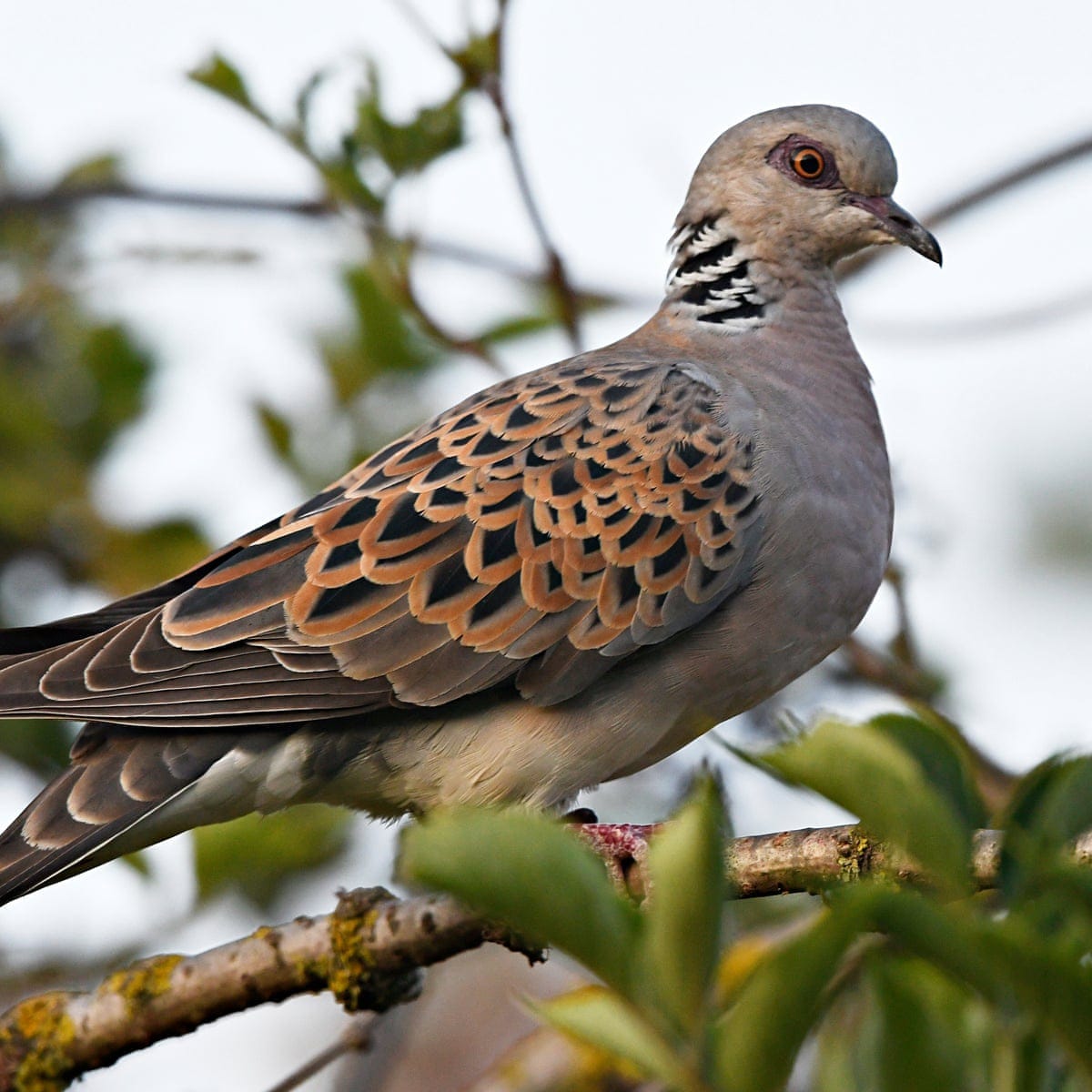
Turtle Doves, arriving here soon.
The fears and concerns expressed by many towards climate scientists who plan to ‘dim the sun with aerosols’ (seen here in the Telegraph) largely seemed to concentrate on potential negatives for humans. Yet I wonder if the true losers here would be, as usual, the wildlife? Surely any changes to the natural light of spring is potentially devastating for migratory birds? Quite what Leonardo would have made of it all is beyond me.